Food security
ECOWAS agricultural policy: stakeholders and partners review implementation and set guidelines and roadmap for its revision
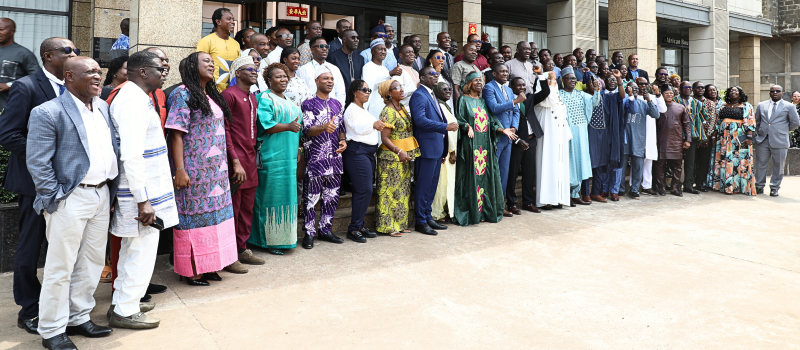
From 25 to 27 February 2026, Freetown, the Capital of Sierra Leone, hosted a regional meeting to review the implementation of the ECOWAS Agricultural Policy (ECOWAP) at national and regional levels and set guidelines for the roadmap for its revision.
Following the meeting in Abidjan in May 2025, during which the ECOWAP revision process was launched, the ECOWAS Commission's Directorate of Agriculture and Rural Development invited its national and regional partners to take stock of the implementation of ECOWAP, while providing them with the key steps in the revision process as well as the roadmap and guidelines to guide the development of the new agricultural policy.
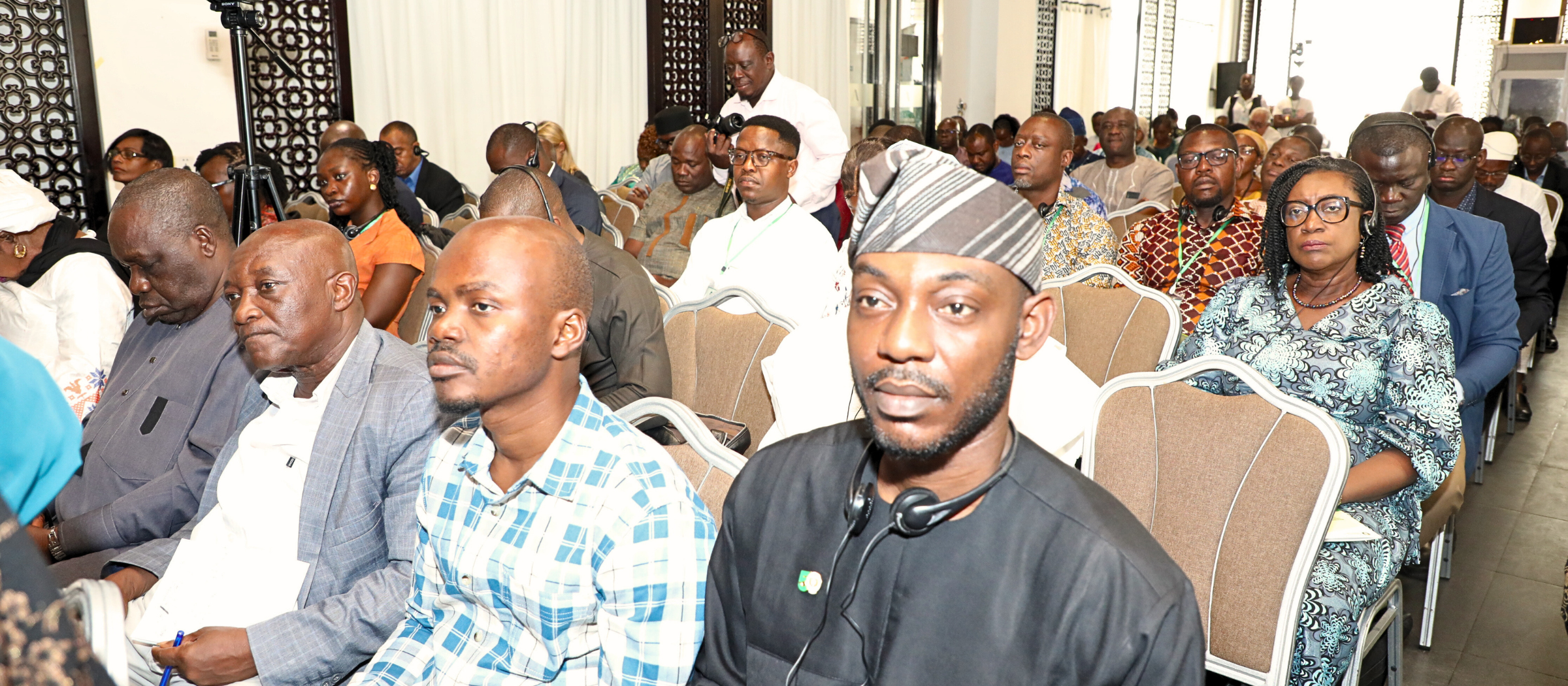
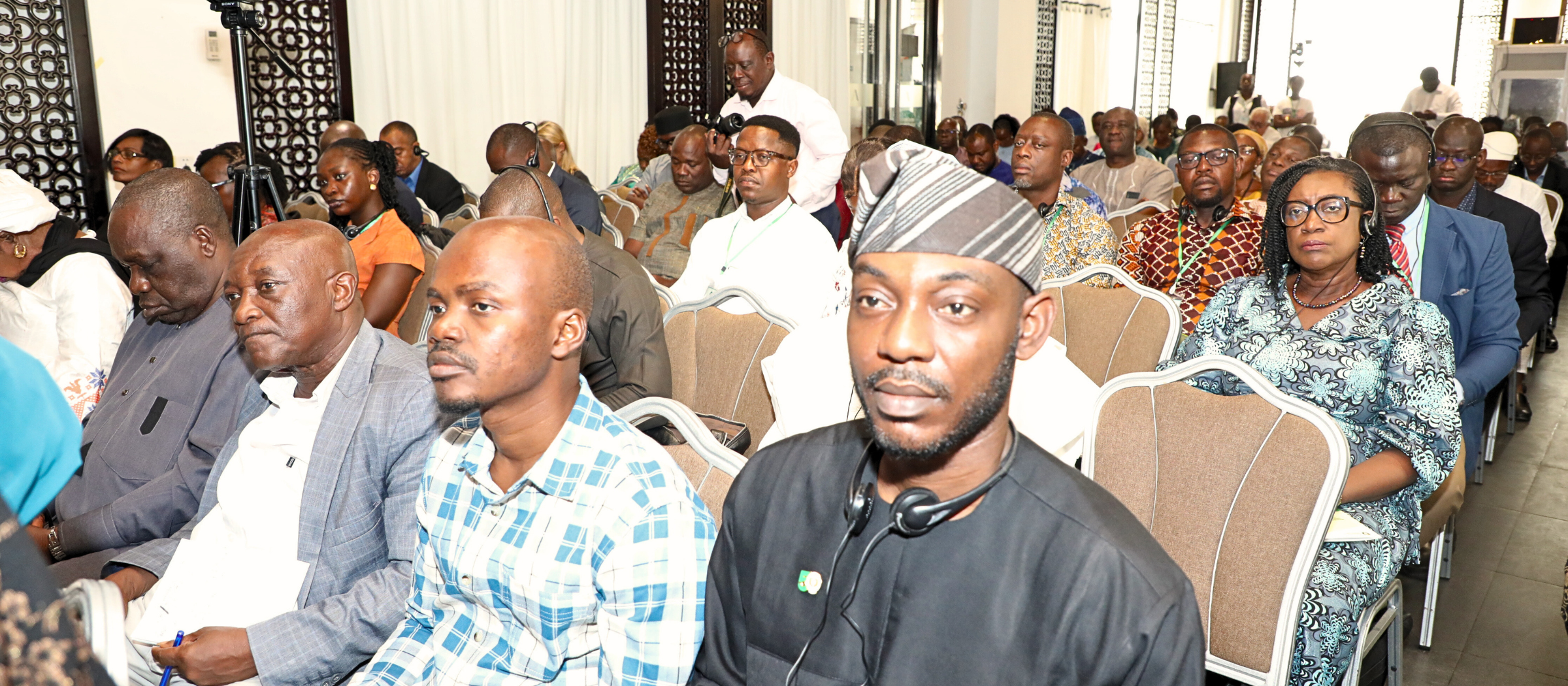
Over three days of discussions, representatives of non-state actors, state actors and development partners, representatives of the private sector, researchers, agricultural producer organisations, and representatives of young people and women analysed the progress made, the achievements and the main challenges related to the implementation of ECOWAP at the level of member states and regional institutions (CORAF, CILSS, Mano River Union, UEMOA and the Council of the Entente).
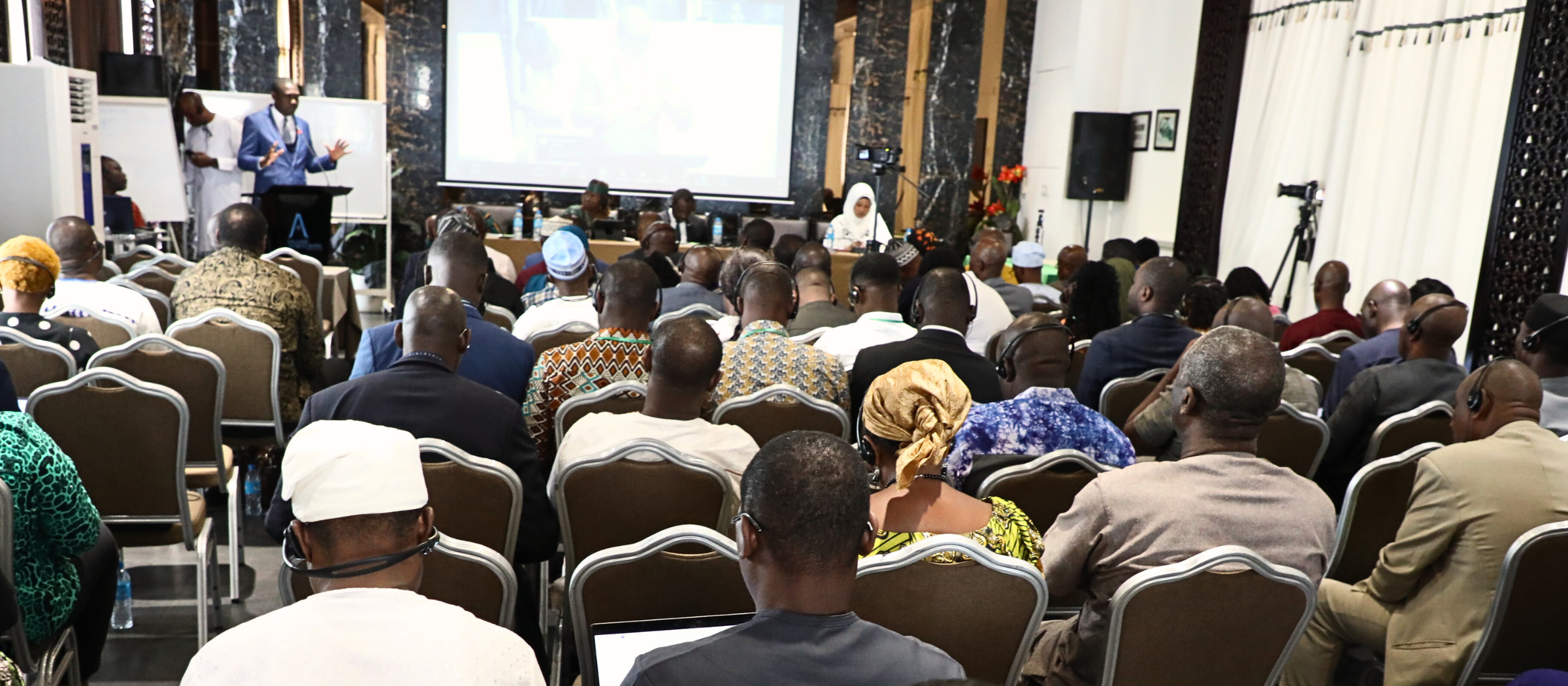
Benin, Côte d'Ivoire, Ghana, Gambia, Guinea, Guinea-Bissau, Liberia, Nigeria, Senegal, Sierra Leone and Togo presented the main achievements resulting from the implementation of the National Agricultural Investment Plans (NAIPs), as well as the challenges encountered and the national outlook for 2035.
Overall, it was noted that progress has been made in the countries and at the regional level, despite economic crises, to contribute effectively to the development of the agro-sylvo-pastoral and fisheries sector with a view to reducing food insecurity in West Africa. The ECOWAS Commissioner for Economic Affairs and Agriculture, Dr Kalilou Sylla, praised the efforts of all stakeholders and partners over the last 20 years in implementing the ECOWAS Agricultural Policy: "We should be proud to note that our region is on the path to food self-sufficiency in several agricultural sectors. The new policy should no longer be that of ECOWAS, but rather the Agricultural Policy of West Africa, based on producers, with strong involvement of women and young people and a focus on the digitalisation of agriculture and the marketing of agricultural products," he emphasised during the opening ceremony of this regional meeting.
The Freetown meeting was therefore the first step in the process of revising the Agricultural Policy, which will take place simultaneously in countries and at the regional level. During March and April 2026, a review of the implementation of the National Agricultural Investment Plans for Food and Nutrition Security (NAIP-FSN/ECOWAP 2015-2025) will be con-ducted in the countries, using a multisectoral approach with the support of national facilitators and under the overall supervision of ECOWAS. This phase will include political and stakeholder mobilisation, the organisation of a launch workshop, consultations with relevant actors, and the drafting and validation of national documents, including both the review of the 2015-2025 period and the outlook for 2035.
In each country, this review process will take into account ongoing government initiatives. In Sierra Leone, the agricultural development initiative is called ‘Feed Salone’. Its main thrusts were outlined by the Minister of Agriculture and Food Security, Mr Henri Musa Kpaka, at the opening ceremony of the regional meeting. "Feed Salone is an ambitious national strategy aimed at making agriculture the engine of food security and economic development in Sierra Leone by modernising production, value chains and access to finance during the period 2024 to 2030. All projects and programmes implemented in our country are part of this strategy, which is also aligned with ECOWAP," he said.
At the regional level, between March and April 2026, a review of the implementation of ECOWAP will be carried out within the framework of the working groups set up. This stage will include consultations with stakeholders and validation of the perspectives formulated by these work-ing groups on the evolution of regional agricultural policy by 2035. During the same period, several strategic studies will be conducted to inform the formulation of the next generation of regional agricultural policy. These studies will focus in particular on innovative and sustainable models of agricultural financing, tariff strategies for the protection of regional agriculture, and the potential of digitalisation in the agricultural sector.
The validation of the overall evaluation of ECOWAP by 2025, including lessons learned and prospects for 2035, will take place in April 2026. This phase will include the consolidation of coun-try contributions, working group contributions and study results, stakeholder engagement and technical validation of the consolidated regional report. Subsequently, the Specialised Ministerial Technical Committee on Agricultural Issues will meet from 27 to 30 April 2026 to review and endorse the results of the ECOWAP 2015-2025 assessment and the outlook for 2035.
This meeting will, in particular, validate the regional agricultural policy guidelines and priority areas for action for the period 2026-2035, and give approval for the finalisation of the process. The finalisation of the ECOWAP reference document and the strategic orientations for 2035 will take place between May and June 2026. This will be followed by the development of the new ECOWAP regional agricultural policy, scheduled for June and July 2026. Subsequently, the regional action and investment plan will be developed between July and August 2026. During the same extended period from July to September 2026, support will be provided to countries for the development or updating of their national agricultural investment plans. The political process of adopting the policy will then be conducted between November and December 2026, notably through review by the Council of Ministers and approval by the ECO-WAS Summit of Heads of State and Government.
Finally, a round table on resource mobilisation with regional and international partners will be organised in January 2027 to support the implementation of the new generation of regional agricultural policy.
The process of revising ECOWAP and developing the new policy, led by the Directorate of Agriculture and Agricultural Development, is inclusive within the Department of Economic Affairs and Agriculture, with the participation of experts from the Directorates of Trade, Industry, Environment and Natural Resources, Water Resources, the Regional Agency for Agriculture and Food and the Regional Animal Health Centre.
In light of the experiences and lessons learned since 2005, when the first generation of ECOWAP came into force, and then in 2015 with the second generation of agricultural policy, and taking into account the new national, regional and international contexts marked by the Malabo Declaration in 2014 and the Kampala Declaration in 2025, as well as international crises affecting the food security of West African populations, realistic proposals and guidelines are expected to provide the region with an appropriate policy for sustainable agriculture in West Africa.