Food security
ECOWAS donates a consignment of equipment to the EISMV’s Veteri-nary Medicines Control Laboratory to strengthen the quality control of medicines
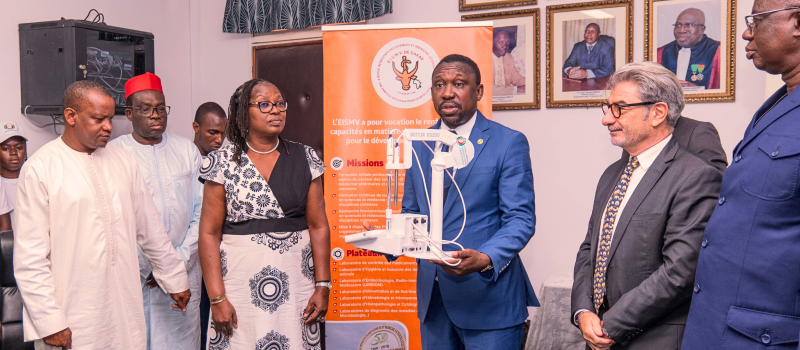
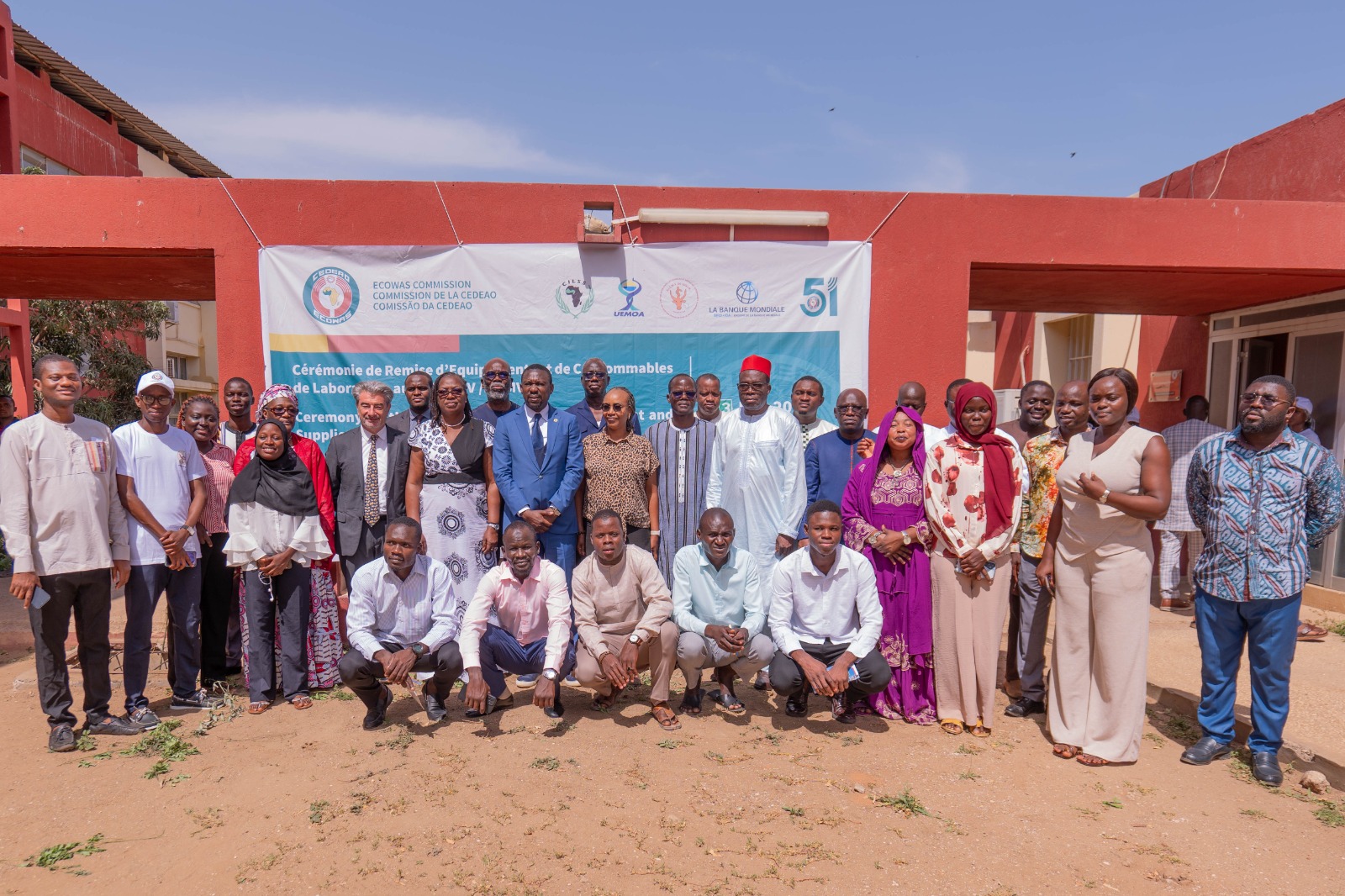
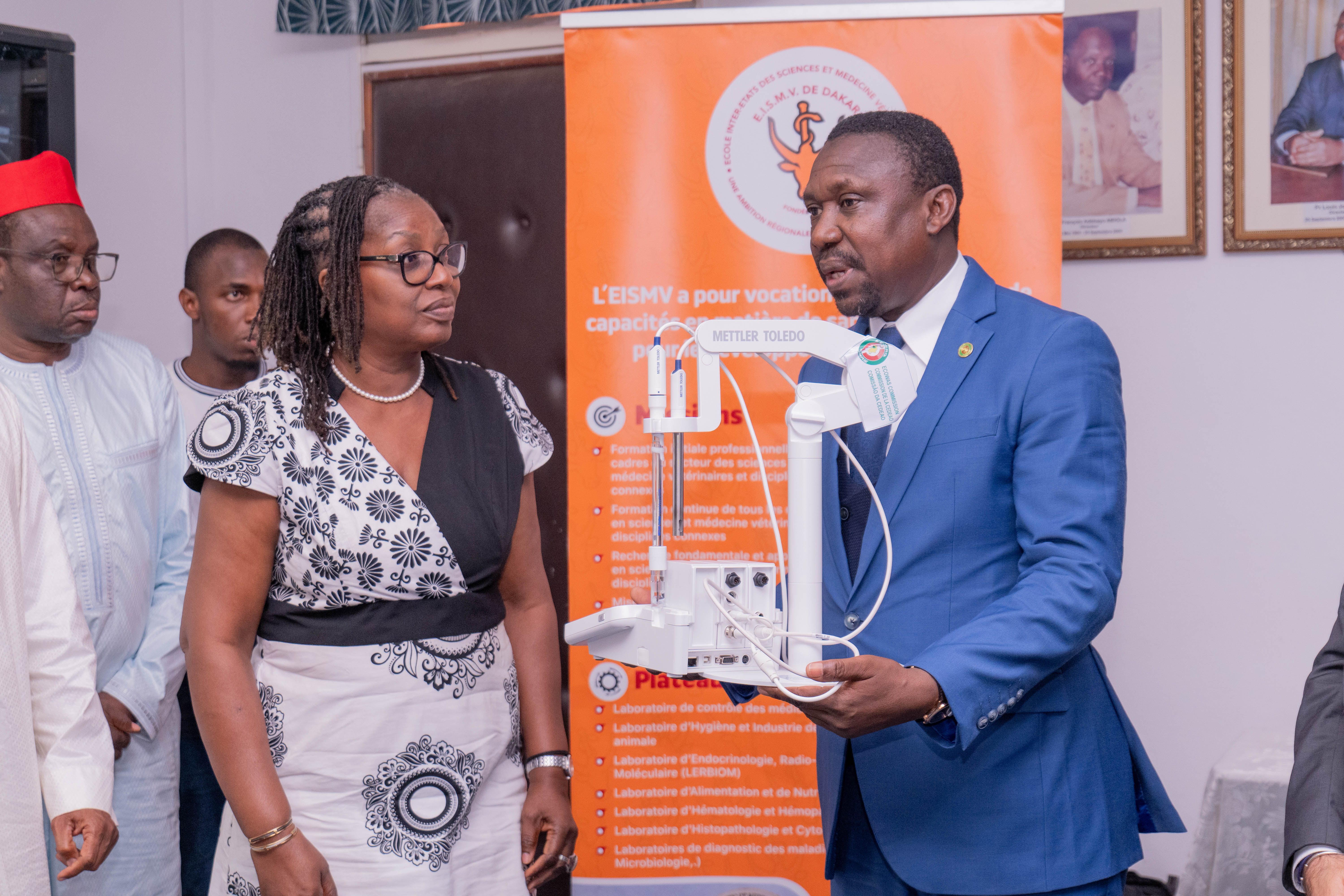
Dr Kalilou Sylla, Commissioner for Economic Affairs and Agriculture, officially hand-ed over, on behalf of ECOWAS, a consignment of equipment and consumables to the Veterinary Medicines Control Laboratory (LACOMEV) at the Inter-State School of Veterinary Sciences and Medicine (EISMV), on 23 June in Dakar
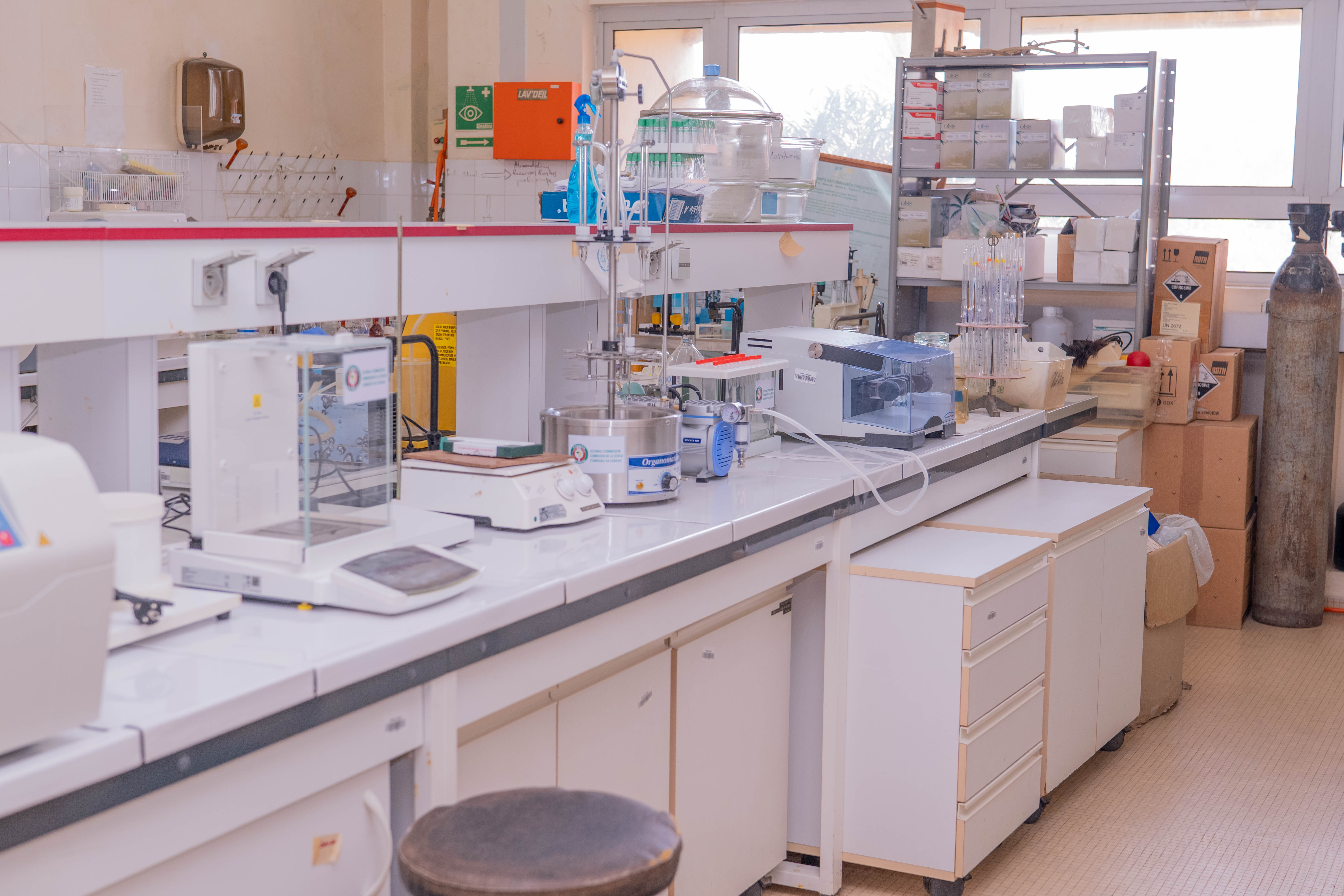
This donation, comprising specialised laboratory equipment, measuring and analytical instru-ments, laboratory glassware, chemical reagents, reference standards and consumables for physico-chemical analyses, will facilitate the quality control of veterinary medicines in circula-tion as well as the monitoring of veterinary medicine residues in foodstuffs of animal origin. “It will also help to strengthen the EISMV’s training capacity by providing a suitable environment for practical sessions for students, who will become familiar with modern, high-quality equip-ment,” said Professor Mireille Catherine Kadja Wounou, Representative of the Director-General of the EISMV, during the ceremony.
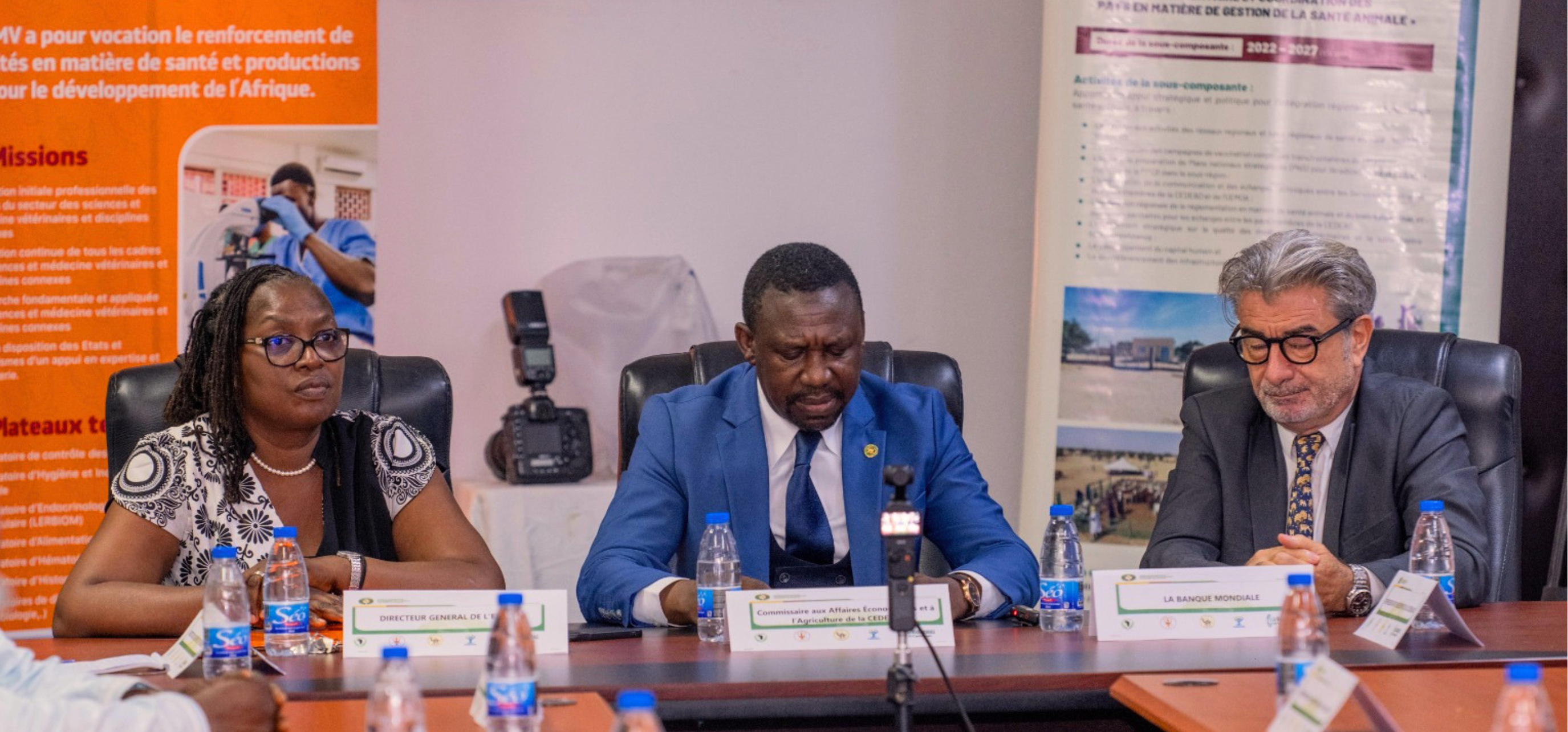
Combating the circulation of falsified, counterfeit or non-compliant veterinary medicines, which jeopardise animal health, livestock farmers’ incomes and the food safety of livestock products, is a significant issue in the region. Veterinary laboratories in the region lack modern equipment to ensure the quality control of veterinary medicines and products placed on the market. ‘The state-of-the-art equipment now available to LACOMEV will enable more effective monitoring of veterinary medicine residues in foodstuffs of animal origin, particularly meat, milk, eggs and fishery products, for the benefit of the populations of Burkina Faso, Mali, Niger, Senegal, Mauritania and Chad – beneficiary countries of the Regional Project to Support Pasto-ralism in the Sahel (PRAPS) – as well as the whole of West Africa,” noted Dr Mouctar Seydi, on behalf of the veterinary services directorates of the PRAPS countries.
This support from ECOWAS to the EISMV forms part of the implementation of Phase II of the PRAPS, funded by the World Bank, with its Animal Health Component coordinated by the Re-gional Centre for Animal Health (CRSA).
The World Bank’s representative at the ceremony, Dr Franck Berthe, emphasised the im-portance of his institution’s support, stating that “Effective quality control systems are an es-sential pillar in the fight against counterfeit veterinary medicines and in the long-term protec-tion of livestock farmers’ livelihoods. “That is why the World Bank has committed to investing in veterinary laboratories to ensure animal health, food safety and the resilience of food sys-tems in West Africa.”
The equipment and consumables donated, worth one hundred and seventy-two (172) million CFA francs, will make a significant contribution to strengthening LACOMEV’s analytical and technical capabilities.
According to Dr Kalilou Sylla, in addition to this specific support, ECOWAS is implementing a series of structural initiatives to strengthen the capacity of the EISMV, for a total amount of four hundred million five hundred and ninety-nine thousand nine hundred and twenty-eight (400,599,928) CFA francs. “Through this handover of equipment, ECOWAS reaffirms its determi-nation to promote sustainable animal health, which is key to food security, the competitive-ness of the livestock sector and regional integration. The fight against substandard or counter-feit veterinary medicines requires collective action, efficient infrastructure and strengthened regional cooperation. By equipping LACOMEV with modern equipment, the ECOWAS Commis-sion is investing in a regional public good that is essential to the sustainable development of West African livestock farming,” he concluded.
La cérémonie a pris fin par une visite guidée du Laboratoire de Contrôle des Médicaments Vétérinaires, permettant aux participants de découvrir les équipements nouvellement acquis et déjà opérationnels.The ceremony concluded with a guided tour of the Veterinary Medicines Control Laboratory, giving participants the opportunity to see the newly acquired equipment, which is already in operation.