Food security
Implementation of the Regional Agricultural Policy: regional stake-holders assessed the performance of projects and programmes in 2025 and reviewed the outlook for 2026
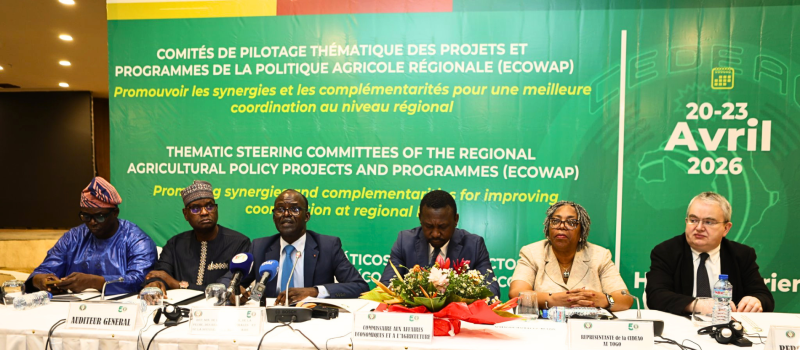
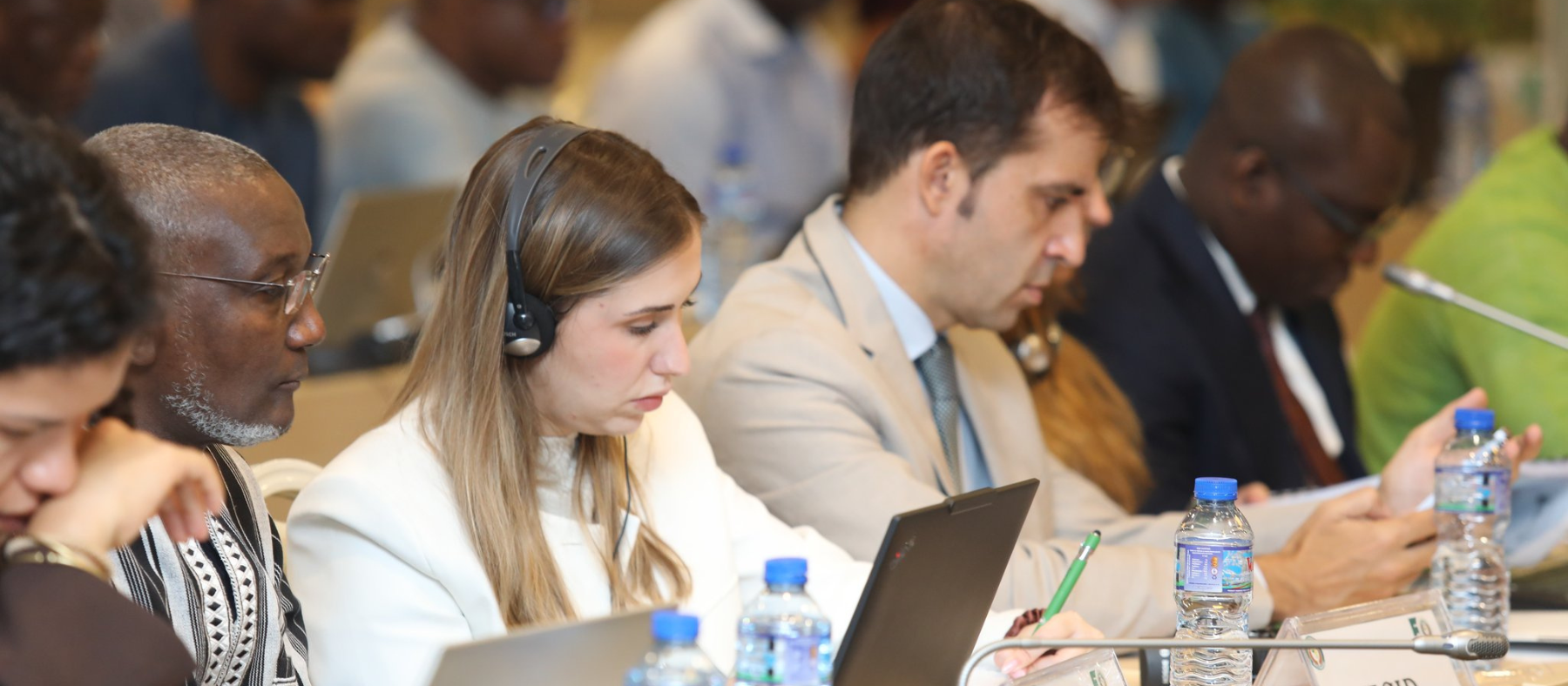
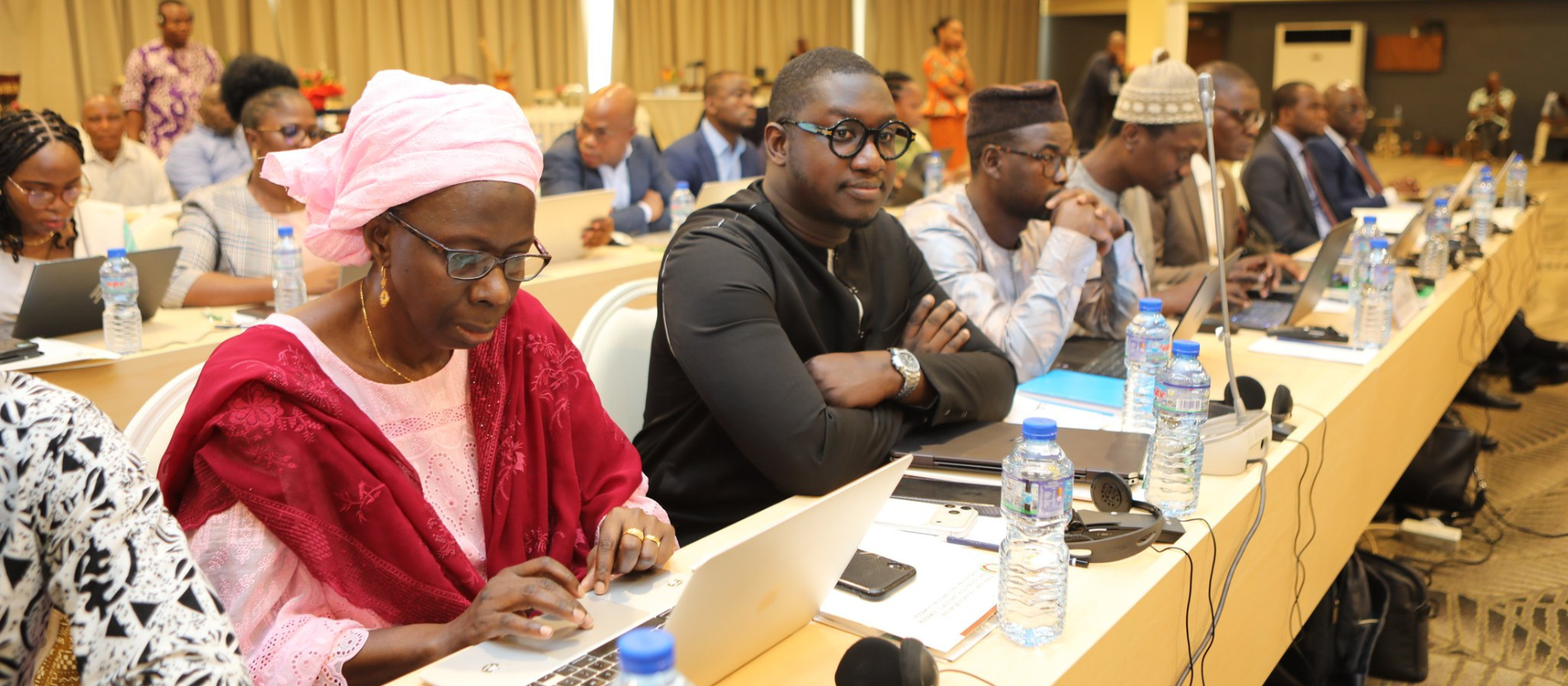
From 20 to 24 April 2026, the city of Lomé (Togo) hosted the 2026 meeting of the Steering Committees (COPILS) for the projects and programmes of the ECOWAS Agricultural Policy (ECOWAP). More than 150 representatives from Member States, regional institutions, producer organisations, and technical and financial partners in West Africa’s agrosilvopastoral and fisheries sectors took part in this annual meeting, which provided an opportunity to review the implementation of regional projects and programmes for the year 2025 and to examine the outlook for 2026.
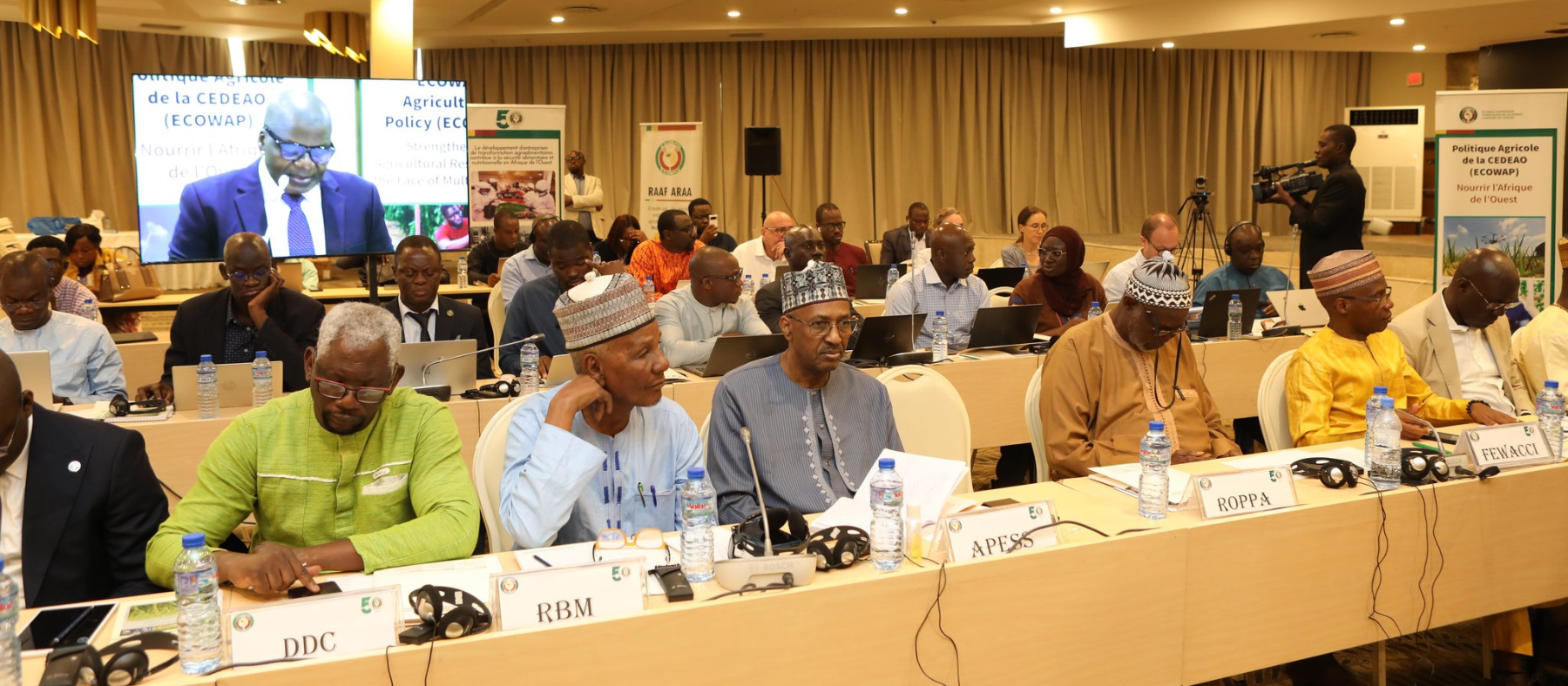
Organised around the five ECOWAP themes, namely (i) improving production and productivity, (ii) developing animal and fisheries resources, (iii) promoting value chains, the regional market and the competitiveness of agri-food products, (iv) strengthening resilience, food and nutrition security and sovereignty, and the financing mechanism, (v) governance and steering of agricultural policy, the 2026 CoPils reviewed the key achievements of over 20 projects and programmes, as well as the outlook for 2026. The performance of the Agricultural Policy was also reviewed during the introductory session to the steering committees’ proceedings.
Given the multifaceted challenges facing the region, this framework for accountability and stra-tegic planning is more essential than ever to ensure the effectiveness, relevance and impact of the actions undertaken. It also reflected the renewed commitment of ECOWAS and its partners to promoting a concerted, inclusive approach geared towards tangible results for the benefit of the people. The ECOWAS Commissioner for Economic Affairs and Agriculture, Dr Kalilou Sylla, commended the quality of the discussions whilst advocating for synergy and subsidiarity in the implementation of activities: “The holding of the ECOWAP Regional Steering Committees has been a decisive step towards consolidating the progress made, strengthening the coherence of interventions and creating new momentum for the sustainable transformation of agricultural and food systems in West Africa,” he noted at the end of the four-day meeting.
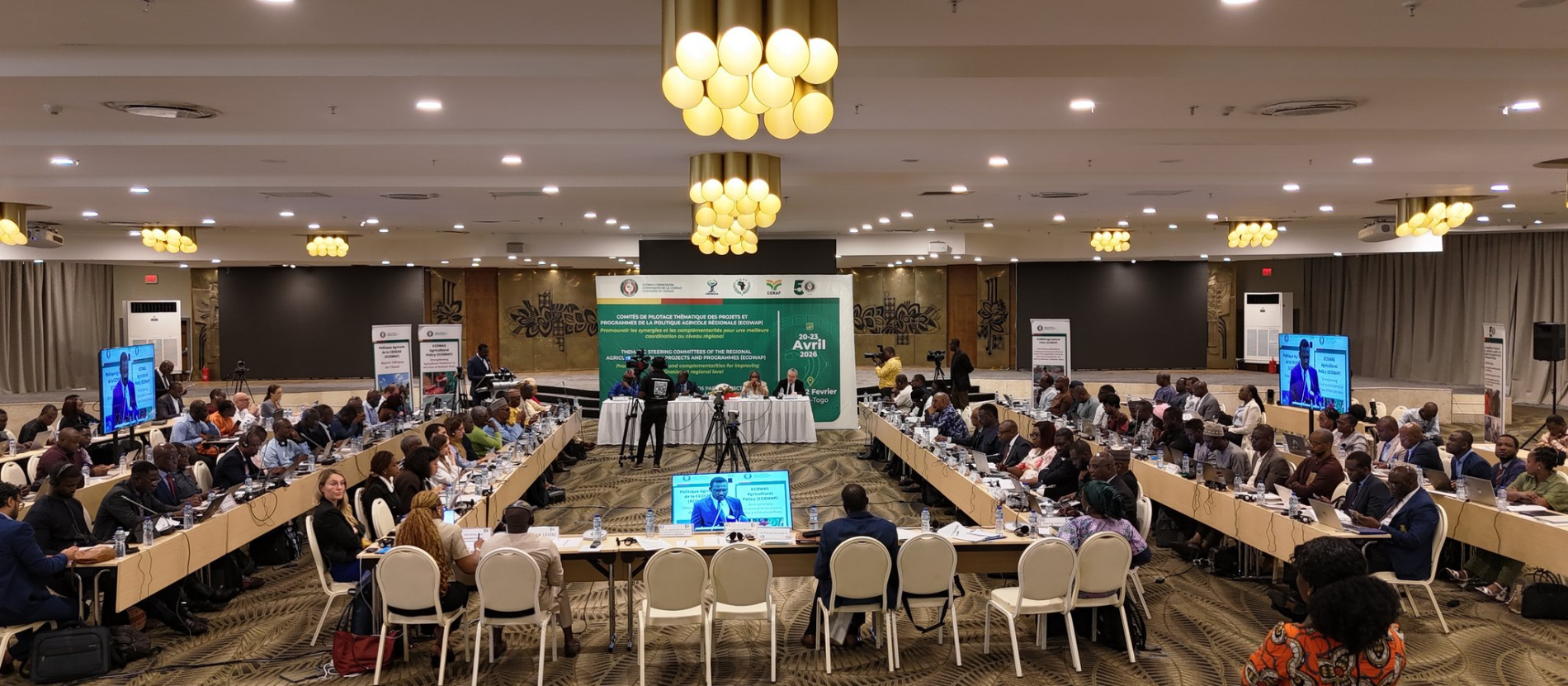
The thirteenth meeting of the Strategic Steering Committee of the Regional Agency for Agricul-ture and Food (ARAA) was held on the sidelines of the proceedings. As the central governing body, this Committee plays a decisive role in assessing the Agency’s technical and financial performance, ensuring accountability and guiding key decisions for the future of regional agri-cultural policy. On this occasion, its members reviewed the results of activities for the year 2025 and defined the strategic directions to guide future actions.
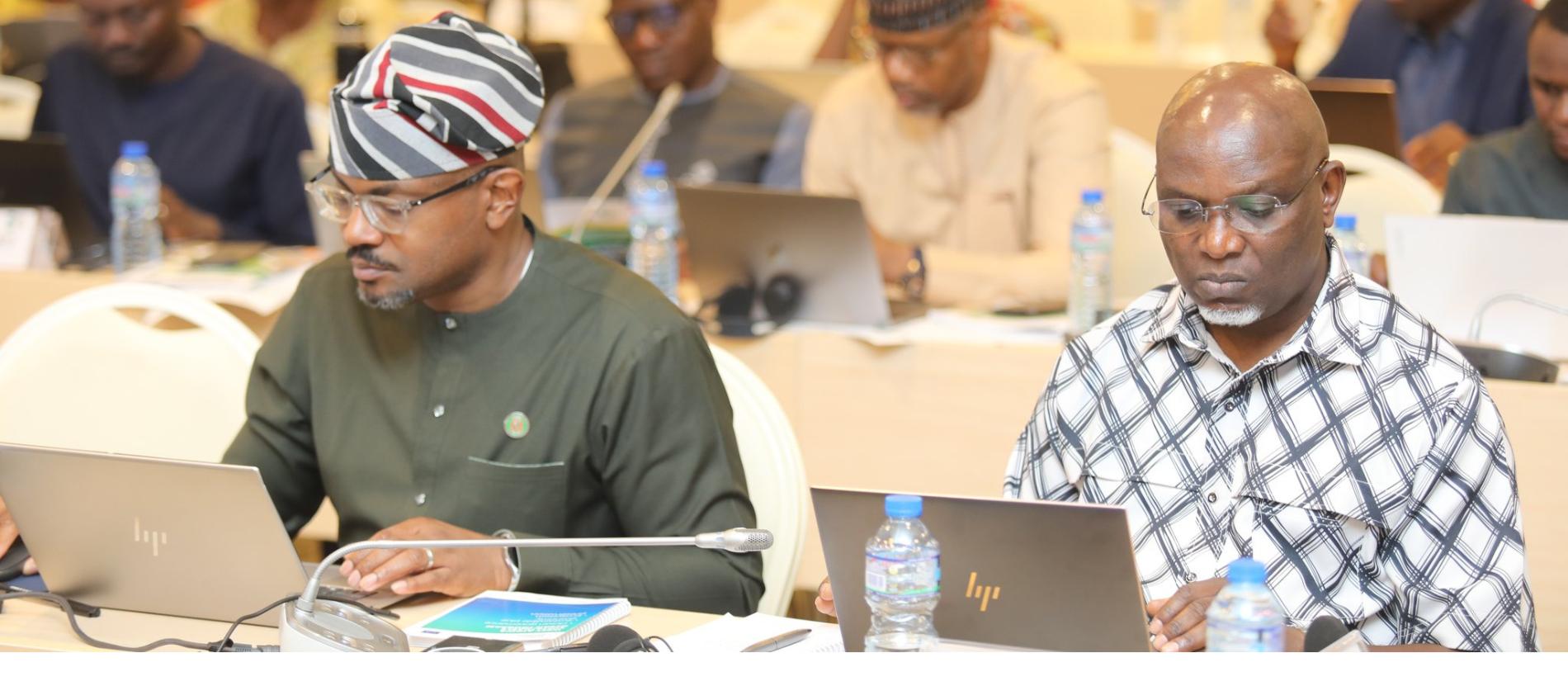
Furthermore, the Supervisory Board of the Regional Fund for Agriculture and Food (FRAA) also met to analyse the activities carried out in 2025 with a view to its effective operationalisation. Managed by the ECOWAS Bank for Investment and Development (EBID), this fund is a strategic instrument designed to mobilise, channel and secure the financial resources necessary for agri-cultural development and food security in West Africa. Designed to act as a lever for attracting additional funding, particularly from technical and financial partners and the private sector, the FRAA is generating high expectations. Major initiatives have therefore been planned for 2026 to accelerate its implementation.
Through this conference, ECOWAS has reaffirmed its commitment to promoting modern, resili-ent and competitive agriculture, with a view to enhancing food security, employment and sus-tainable development in West Africa.