Food security

The "Project for the Promotion of Integrated School Feeding focused on community-managed agroecological production", implemented in Togo by the NGO Code Utile, carried out several major actions in the first quarter of 2026 in favor of sustainable, nutritious and inclusive school feeding for the benefit of students and local communities.
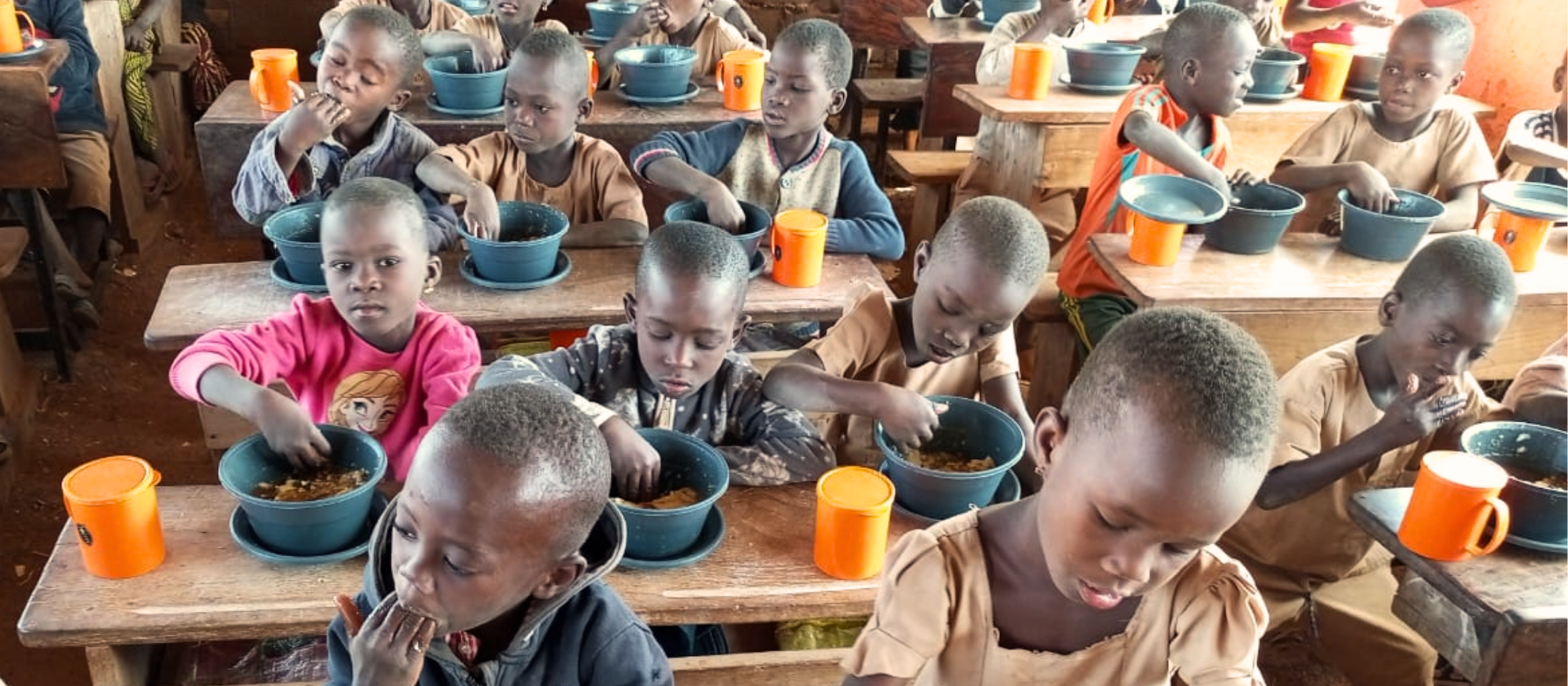
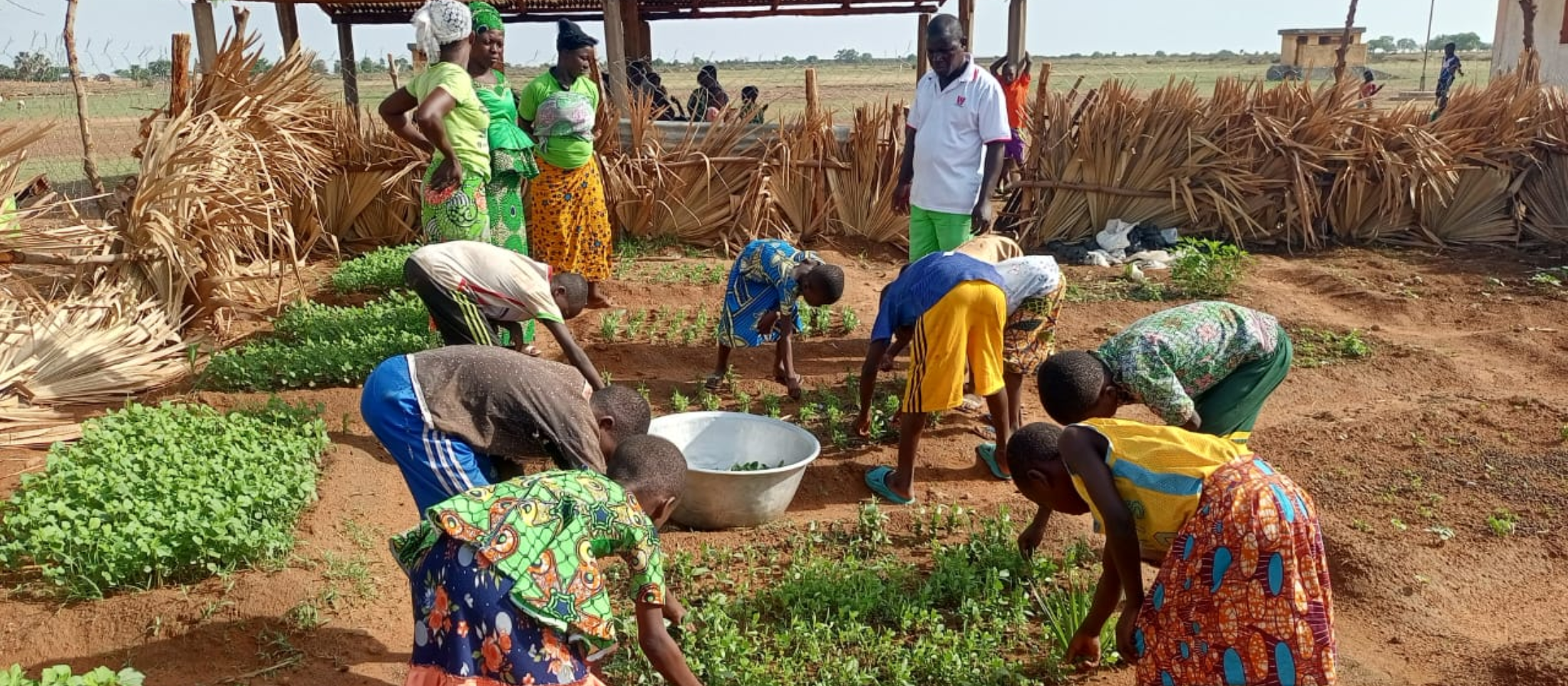
At the heart of this initiative, financed by ECOWAS and AECID as part of the Project for the Promotion of Integrated School Feeding Models in West Africa (PMAI-WA), eight (08) school gardens have been installed and secured since the beginning of the year in the beneficiary schools. These production spaces now supply school canteens with fresh and nutritious vegetables, thus contributing to the improvement of the meals served to approximately 2,794 students.
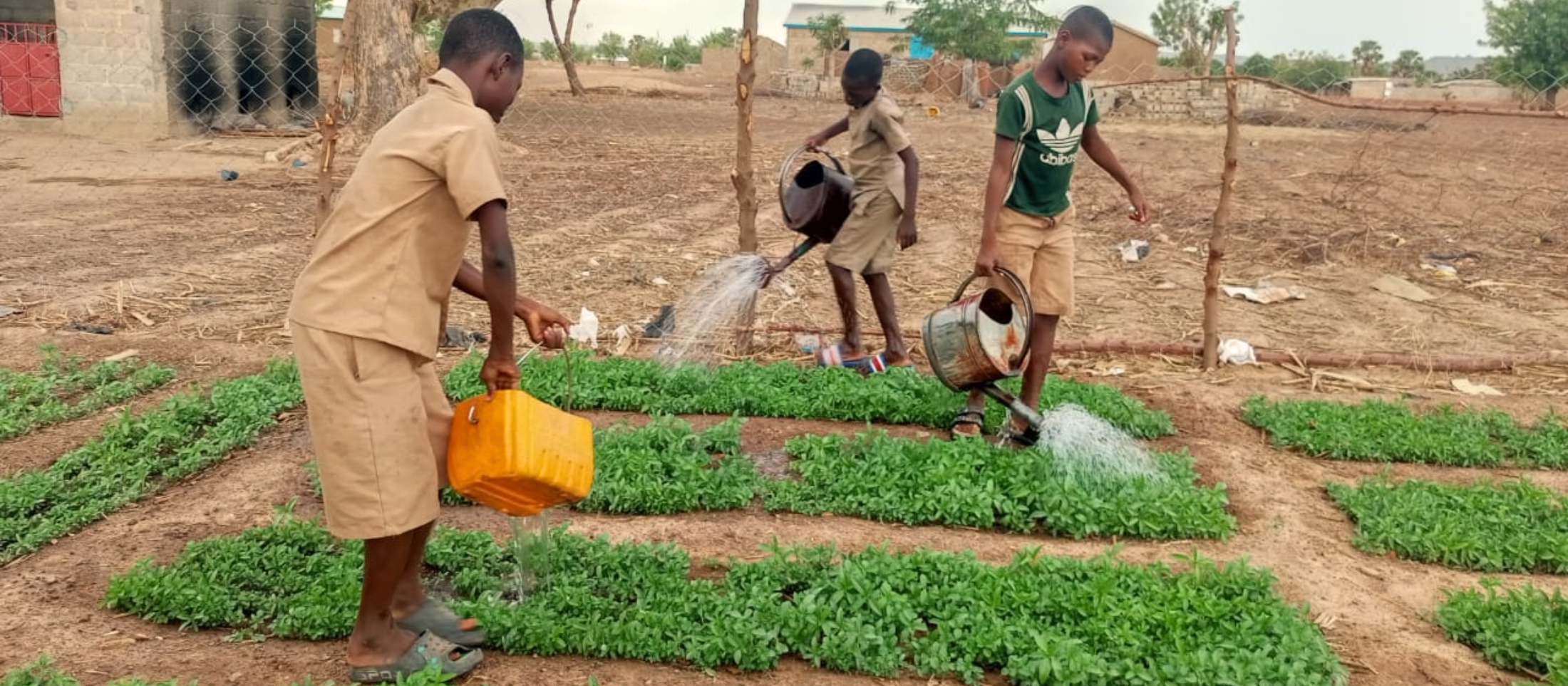
In schools facing difficulties in accessing water, efficient water resource management practices have been put in place to ensure the continuity of market gardening activities.
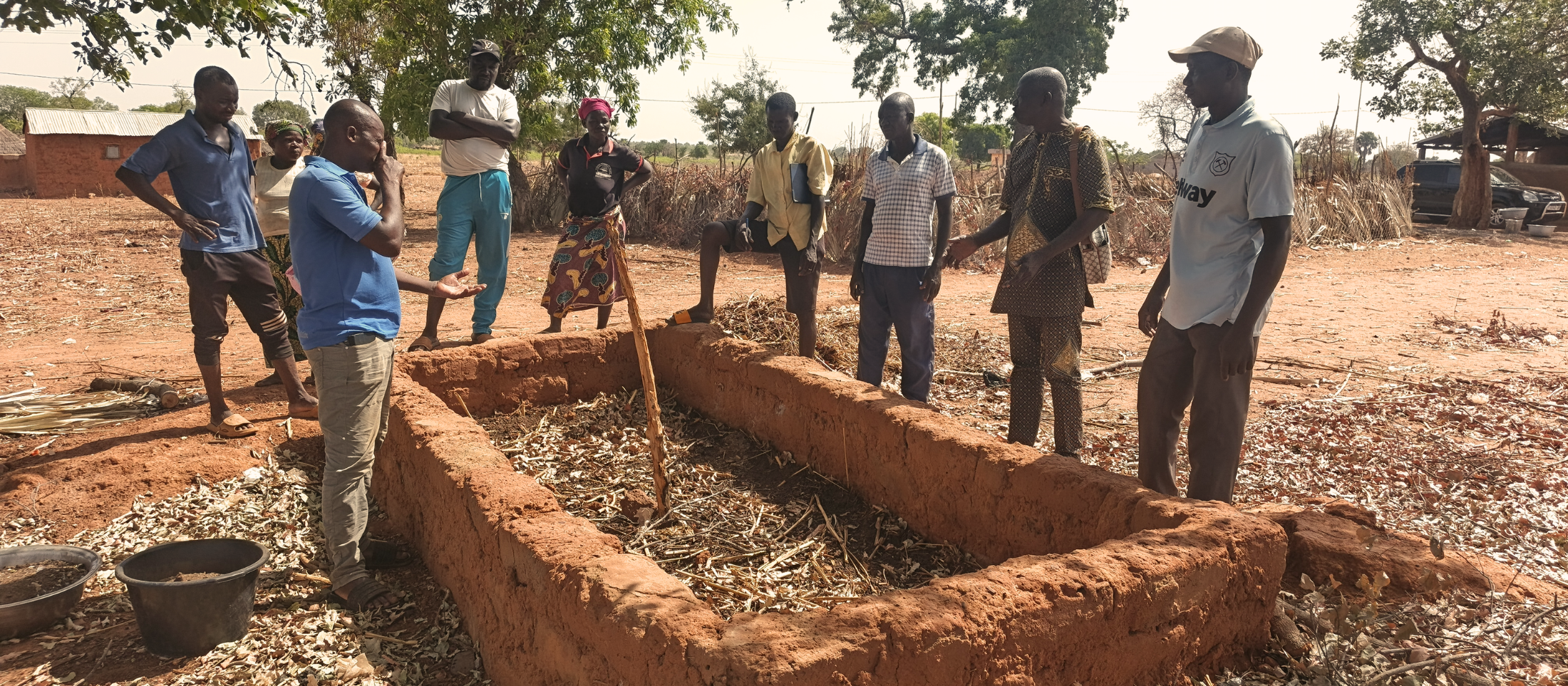
The project also places an important emphasis on the promotion of agroecological practices in order to guarantee healthy and environmentally friendly food. As such, composting devices have been installed in five schools, allowing the production of natural fertilisers used in school gardens. This approach not only promotes sustainable agriculture but also offers students a real practical learning environment around agroecological production techniques.
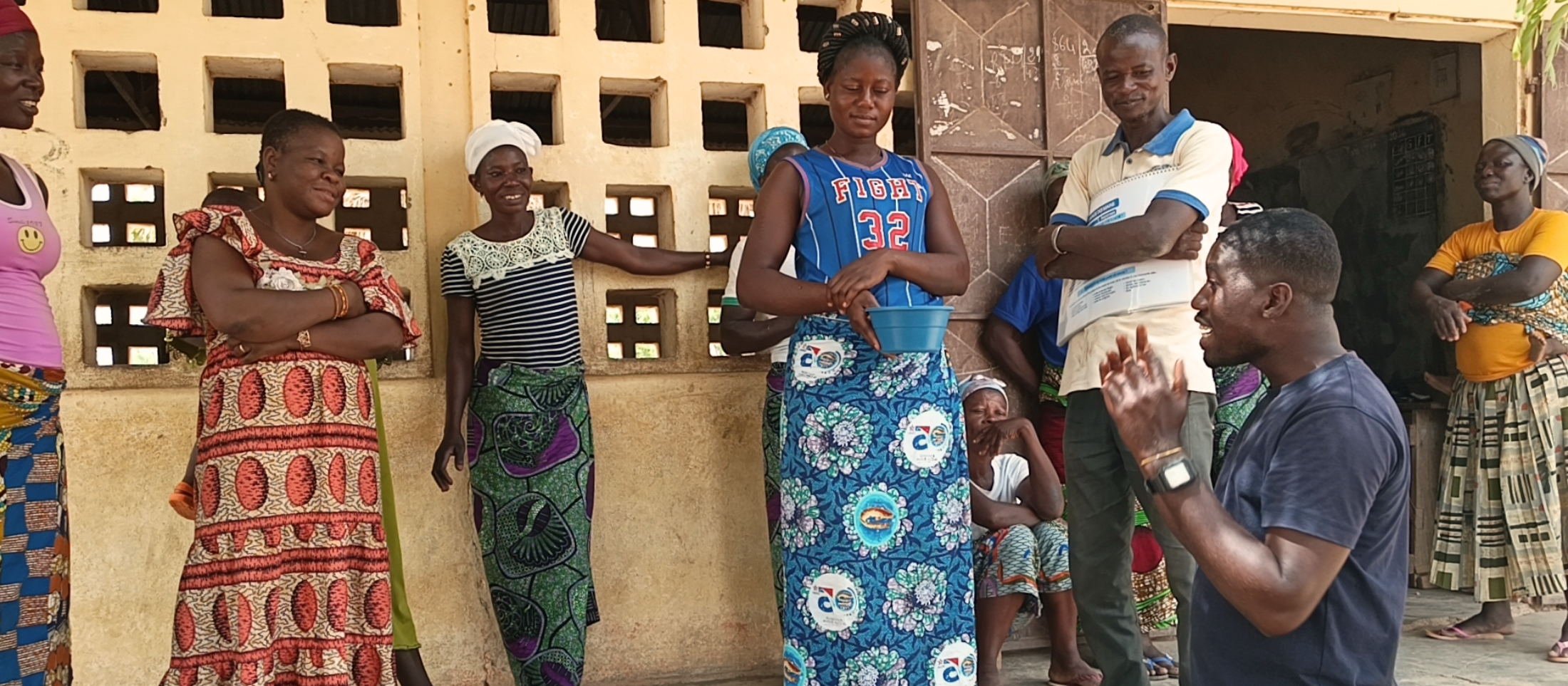
Capacity building for community actors is also a major focus of the project. Thus, 192 canteen-making mothers were trained and made aware of good nutritional and dietary practices and hygiene rules in the kitchen. These trainings contribute to improving the nutritional and sanitary quality of meals served in schools.
Through this initiative, the PMAI-WA demonstrates that integrated school feeding, based on agroecology, the promotion of local products and community engagement, is a powerful lever for improving children's nutrition, promoting their academic success, strengthening the resilience of communities and promoting sustainable local development.