Youth employability
Youth Employment in the Agricultural, Forestry, Livestock and Fisheries Sectors in West Africa and the Sahel : Practical Solutions of ECOWAS
West Africa is characterised by a young and mobile population, whose migration flows within the continent and out of Africa are exacerbated by a lack of employment opportunities, the effects of climate change and civil unrest.
With over 35% of the population aged between 15 and 34, the region faces a chronic employment shortfall that threatens the socio-political stability of its states. This situation results in high youth unemployment rates, which vary across ECOWAS member states (20.5 % in Senegal and around 33 per cent in Nigeria).
Faced with the consequences of widespread youth unemployment and under-employment which lead to precarious living conditions, extreme poverty, political instability and illegal emigration ECOWAS has placed the issues of employability and support for young people’s entry into farming at the heart of the objectives of its regional agricultural policy, ECOWAP. Regarding the integration of young people, the ECOWAP vision has explicitly incorporated the need to ‘pursue a proactive policy to help young farmers, both men and women, set up in business and to make the sector more attractive’.
To put this commitment into practice, ECOWAS adopted a strategy in 2019 to support youth employability in the agro-sylvo-pastoral and fisheries sectors, alongside a Priority Investment Programme (PIP) for the period 2020–2025. This strategy aims to tackle the issue of employment for young people, women and men in the agro-sylvo-pastoral and fisheries sectors, particularly within agri-food value chains. It focuses on retaining, establishing and integrating young people (both men and women) into the various links of the agricultural and agri-food value chains.
In practical terms, the aim is to facilitate the integration of 30 per cent of young people (both men and women) entering the labour market and to reduce unemployment and underemployment rates among 15–35-year-olds by 50 per cent and 75 per cent respectively by 2030.
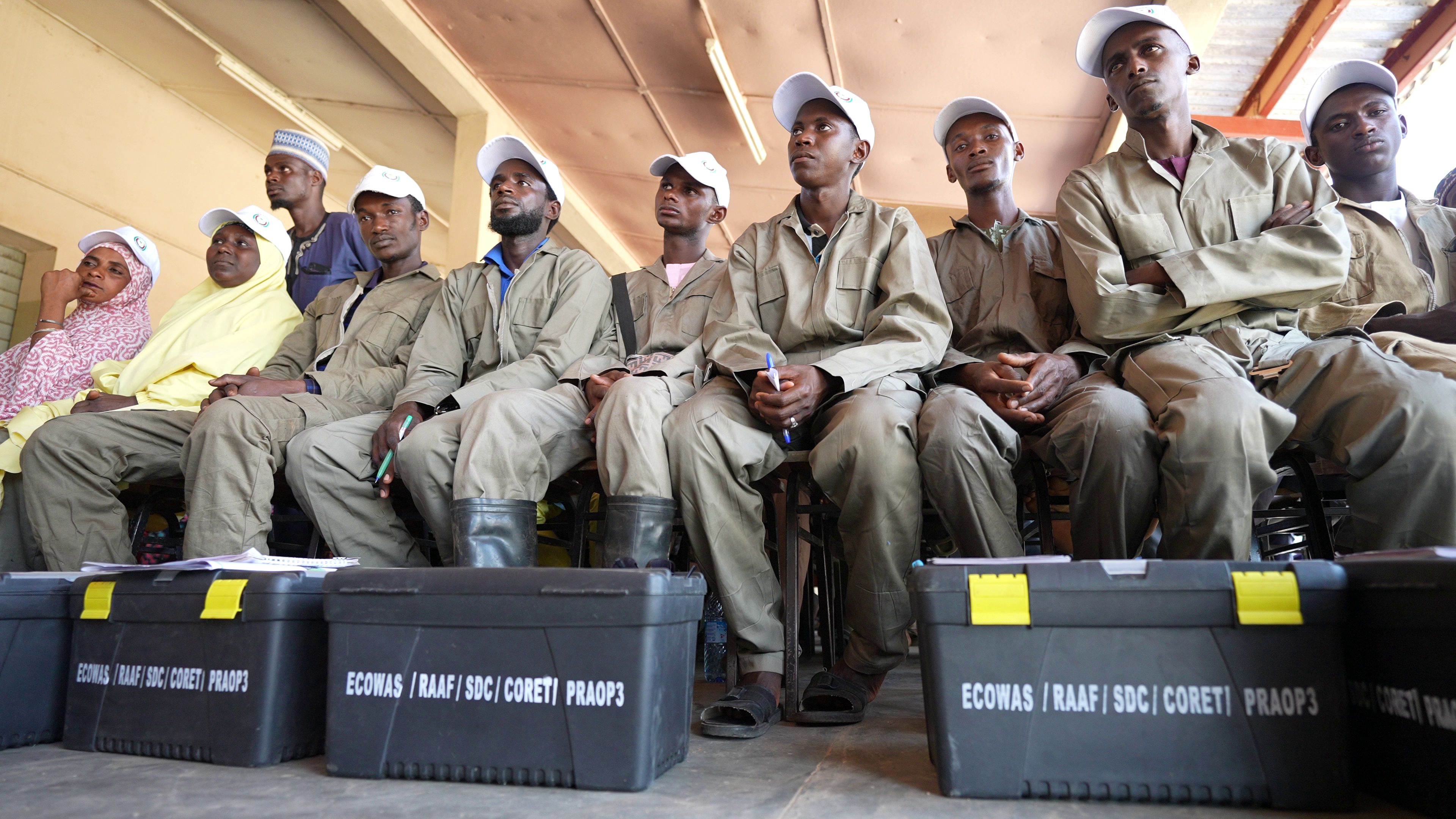
As part of the implementation of the regional strategy for youth employability in the ASPH sector, the ECOWAS Commission awarded a grant of US$1,033,991 in 2023 to twenty-five (25) centres in the Member States to support the training of 3,142 young people (both women and men) in various fields related to agriculture and agri-food value chains.
In 2024, through agreements signed with WASEOA-NOAN, CORAF and the SONGHAI Regional Centre, a block grant of US$2,238,000, intended for the training of 3,850 new young people, 40 per cent of whom are women, was allocated to twenty-one (21) national centres and institutes specialising in agricultural research, innovation and training in agroecology and organic farming.
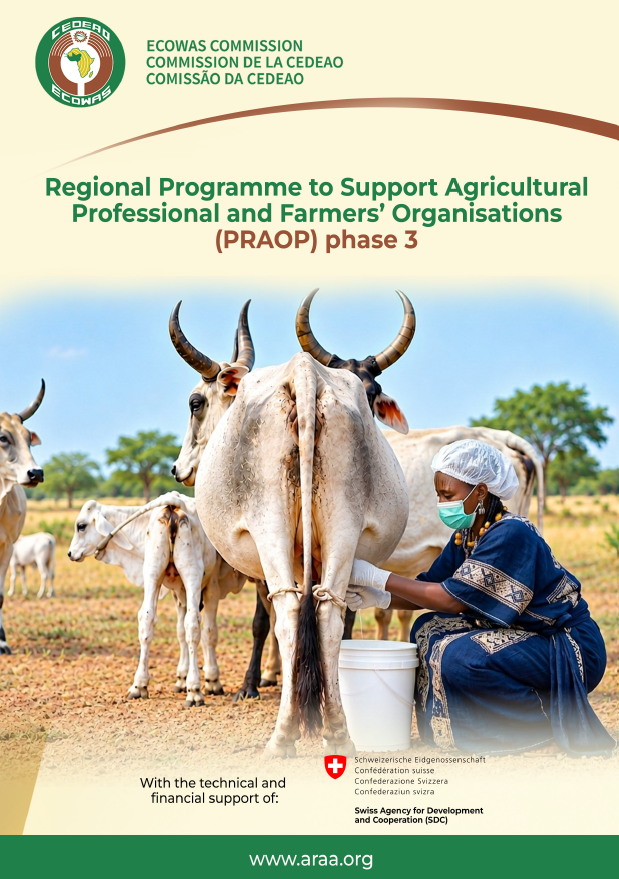
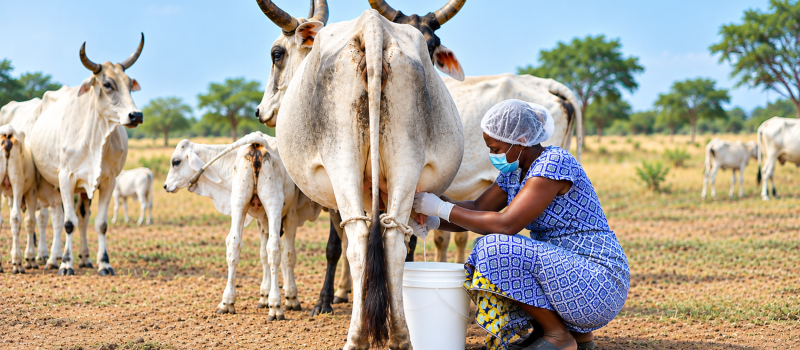
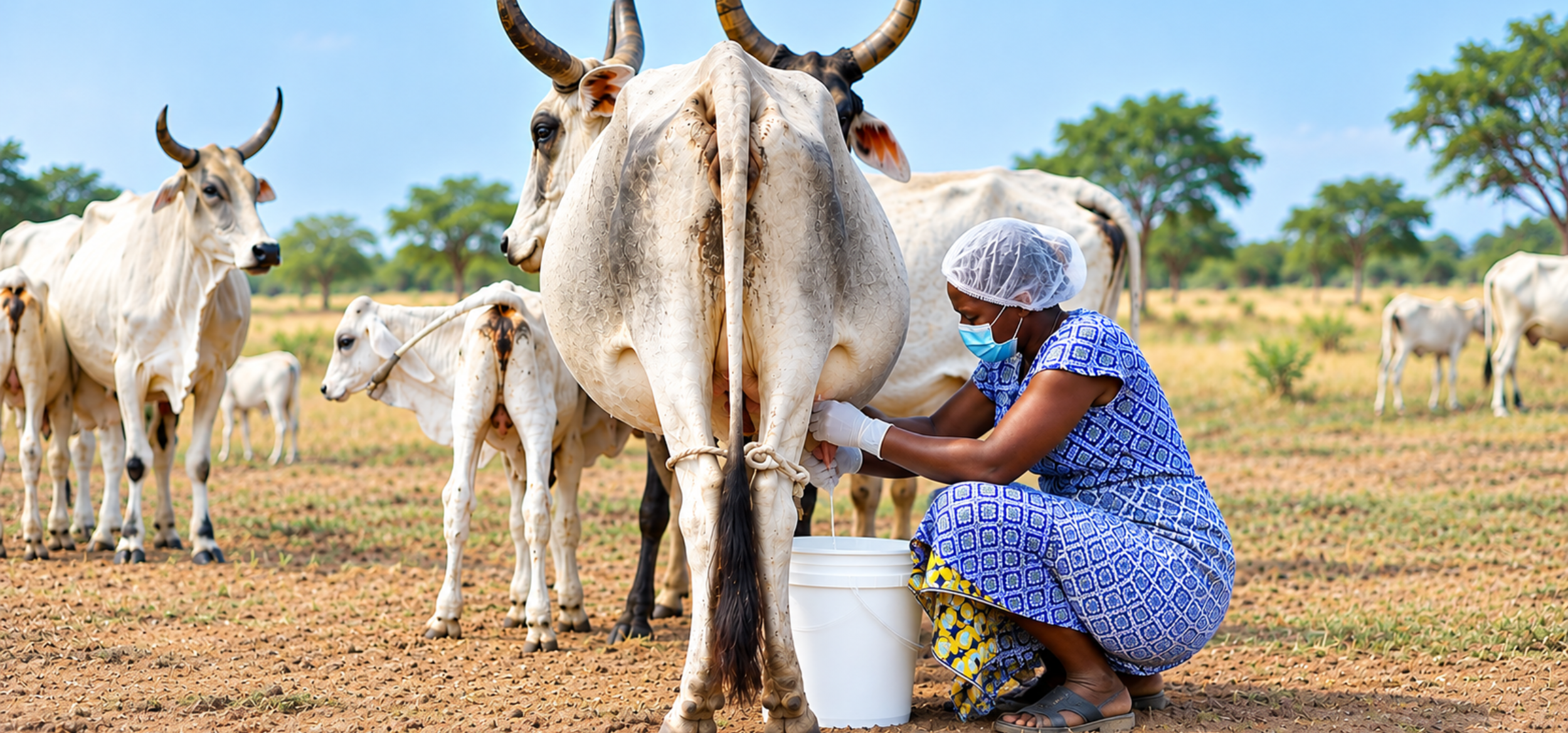
As part of this initiative, ECOWAS, supported by Swiss Cooperation, has been implementing the third phase of the regional programme to support professional and farmers’ organisations in agriculture (PRAOP3) since 2022, which focuses primarily on enhancing the employability of young people and their integration into local dairy value chains. This programme forms part of the implementation of the priority investment programme designed to operationalise the strategy for youth employability in the agro-sylvo-pastoral and fisheries sectors.
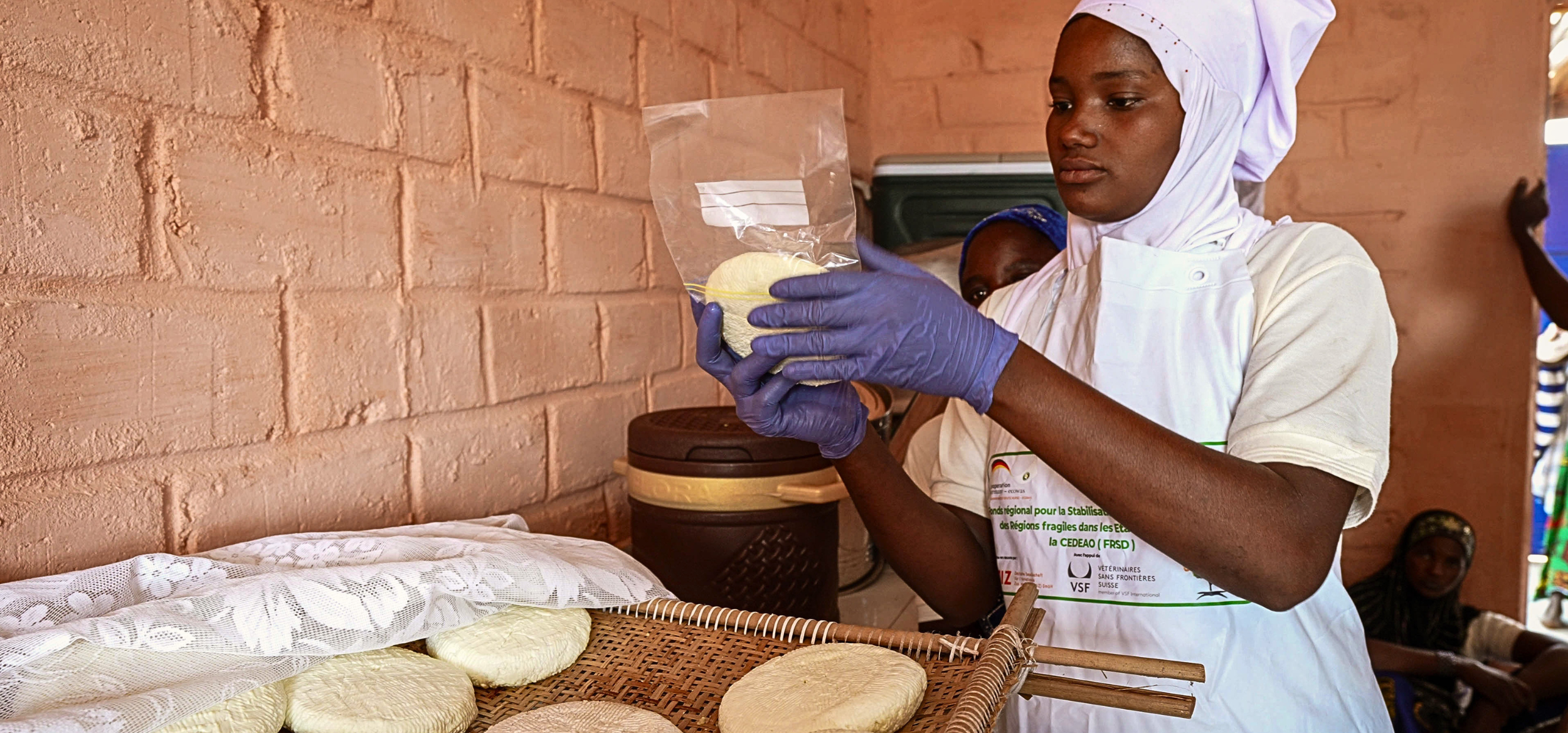
PRAOP3 is being implemented by the Regional Agency for Agriculture and Food (ARAA) through 24 field projects spread across 11 member countries (Benin, Burkina Faso, Cape Verde, Côte d’Ivoire, The Gambia, Guinea, Mali, Niger, Nigeria, Senegal, Togo) and Chad. This programme, which runs from 2022 to 2027, aims to help reduce rural exodus and the uncontrolled emigration of young people by integrating them into the local dairy sector’s value chains.
Consolidated data from the PRAOP3 monitoring and evaluation system reveal that, by the end of June 2026 – that is, after four years of implementation – the 24 supported technical and economic models had enabled more than 20,600 young people to receive training in various trades within the local milk value chains. Furthermore, these models have facilitated the creation of nearly 19,700 permanent direct jobs across the various links in the chain.
In addition, the PRAOP3’s contribution to the development of the local dairy sector in West Africa and the Sahel is also reflected in the establishment of 123 dairy farms, 41 collection centres and 31 mini-dairies, 324 ha of forage plots, the artificial insemination of 1,012 dairy cows and the construction of 34 water points. These achievements have led to an increase in the volume of milk produced on farms, as well as in collection and processing capacities at the processing units. Between June 2024 and June 2026, more than 4,025,500 litres of milk were collected, of which 3,965,524 litres were processed.
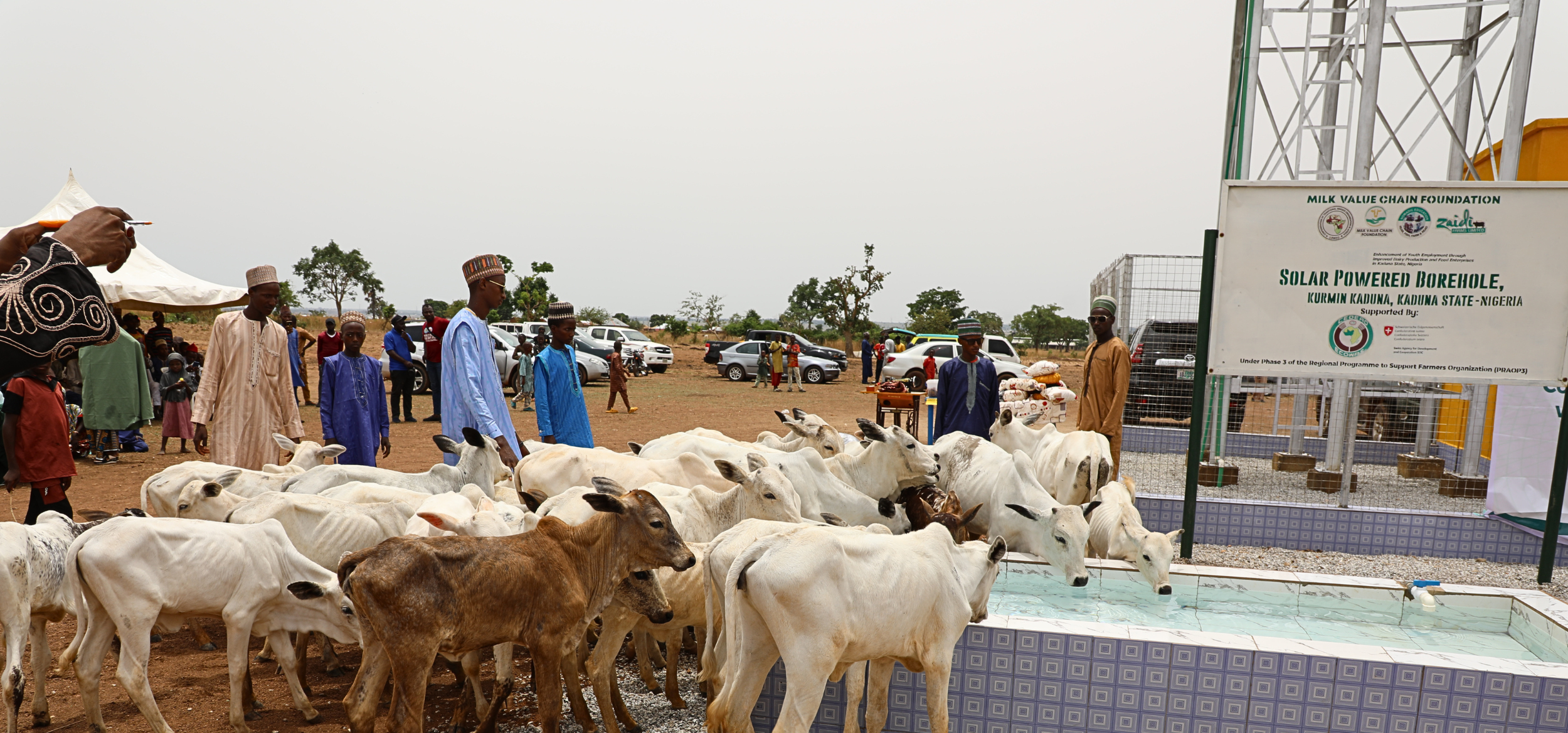
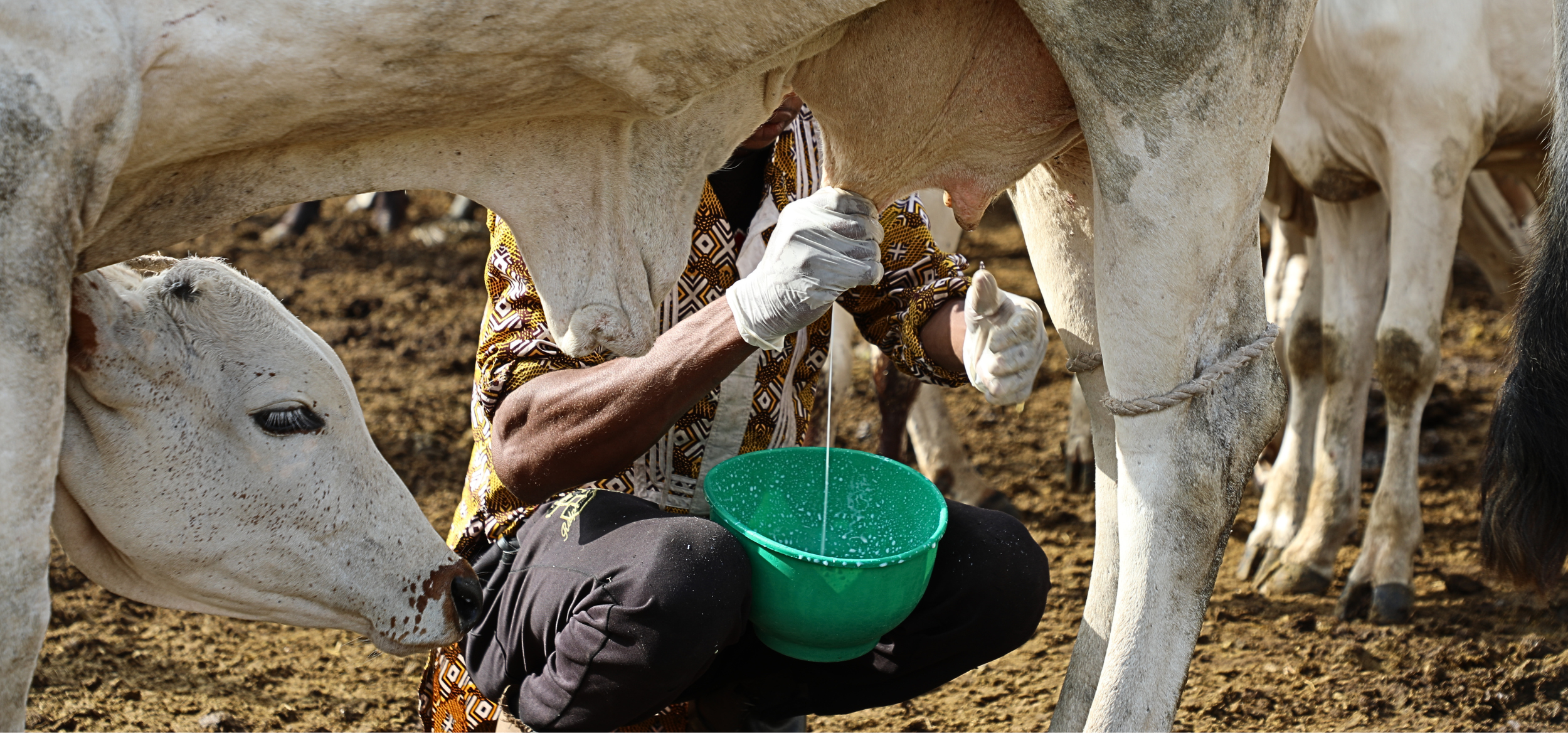
The results achieved through the implementation of the 24 field projects indicate that investing in the development of agri-food value chains not only provides opportunities for young people to enhance their employability but also contributes to the transformation of food systems and the emergence of generations of entrepreneurs and a skilled agricultural workforce.
These results underscore PRAOP3’s contribution to the regional objective of improving access for young women and men to economic opportunities in the agro-sylvo-pastoral and fisheries sectors.
However, they reveal that, in order to attract and retain young people within agri-food systems, it is essential to support them through policies and programmes that promote capacity-building in both the production and processing of agricultural products, as well as access to land, finance and credit at appropriate rates, and market access that guarantees them remunerative selling prices.